How Does Parents' Self-Care Contribute to Reducing Family Separation?

Dalia Khirfan
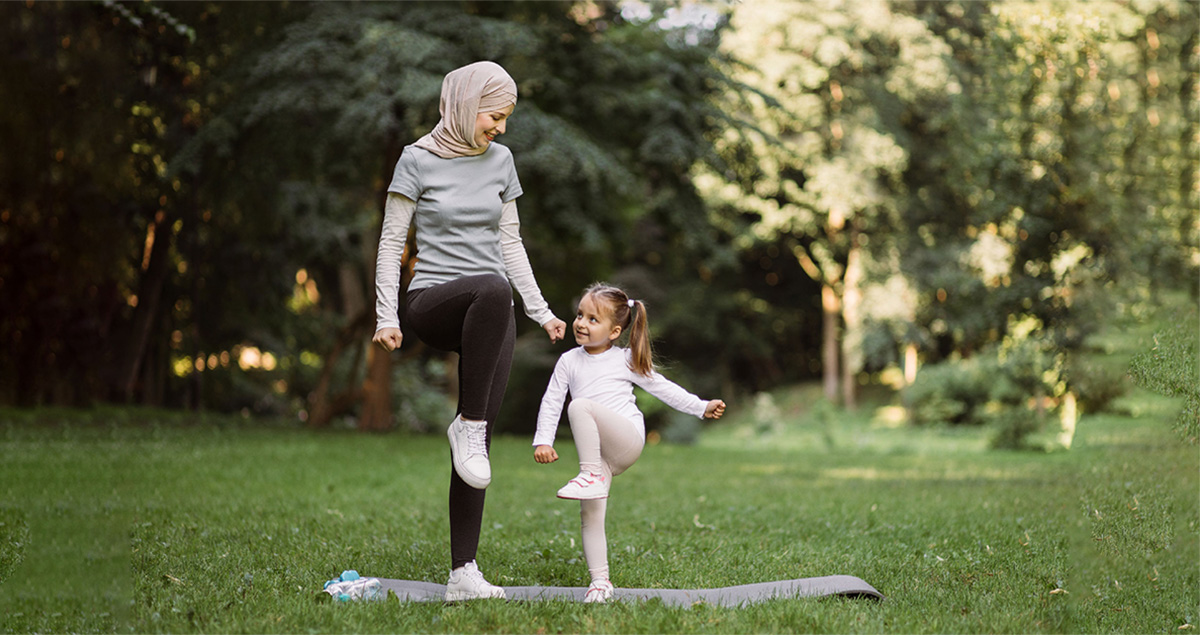
Parents often prioritize the health of their children while neglecting their own self-health (both mental and physical). This neglect can negatively affect the family's overall well-being due to the stress and physical and psychological exhaustion they experience in trying to meet all the psychological and material needs of their children.
While some may consider parents caring for their own health as selfishness, it is a fundamental and necessary aspect that parents must pay attention to. They should engage in self-care to continue their journey of giving and sacrifices in raising and caring for their children. An unhappy and unhealthy mother cannot bring joy to her children (The one who lacks something cannot give it).
Therefore, in this article, we have gathered ways and practices of parental self-care, especially for mothers, and their impact on children. We also discuss how parents' self-care contributes to reducing family separation in society.
How to Practice Self-Care?
Self-care is the time you dedicate to yourself to engage in rituals or activities you enjoy, providing comfort on physical, mental, and social levels. This time can be as short as ten minutes, but it should be consistent and integrated into your daily routine.
For example, some find comfort in physical exercises like walking, yoga, swimming, dancing, etc. Others prefer listening to music, reading, or even taking a short nap during the day. Some may find spending time with their parents or family members and talking to them soothing. Others prefer meditation and deep breathing.
While the methods may vary, all of them serve as psychological therapy, helping mothers relieve mental and physical stress and negative energy. This enables them to face life's pressures and continue raising their children in a balanced and healthy manner.
How Does Your Family Benefit from Your Psychological Self-Care?
When a mother is comfortable and has a clear mind, she becomes more patient with her children and more playful. After an adequate amount of sleep, she has more energy to play and engage in activities with her children. Even mental clarity helps the mother focus better on her children and their personal matters.
When a mother takes care of herself, she becomes more capable of handling challenging times. She gains the ability to solve problems and face challenges calmly and with greater confidence.
Additionally, practicing self-care helps the family as a whole understand and respect individual needs. At the same time, it fosters empathy and compassion among family members.
Lastly, when a mother practices self-care, she teaches her children to do the same. This leads to raising an aware generation that value and respect itself, takes care of itself, and preserves its well-being.
How Does Parents' Self-Care Contribute to Reducing Family Separation in Society?
When parents take care of their physical and mental health, it positively affects the entire family. They become more capable of fulfilling their family responsibilities and handling daily pressures, resulting in improved family relationships with reduced conflicts and tensions. It is important to note that the family is the basic unit in society, and when family members live in a healthy and stable family environment, it positively reflects on society as a whole.
Healthy families contribute to creating healthy communities and help prevent family breakdowns and social problems. Therefore, self-care for parents' health is essential in maintaining and promoting family stability, ultimately contributing to building a more stable and cohesive society.
What Does SOS Children's Villages Offer to Reduce Family Separation?
The association works on the Family Strengthening Program (FSP) , which aims to support families at risk of abandoning their children (family breakdown) to help them stay together. This program includes various services provided by the association to offer support, including training and economic empowerment to meet the families' needs, with the goal of maintaining their cohesion for the benefit of their children.