
Myth
Trying drugs once cannot cause any problems.
Fact
Even a single use may involve unexpected health or behavioral risks. The effects of substances differ from person to person, and there is no guaranteed safe outcome.

Empowering families, teachers, and communities with knowledge, prevention tools, and support services. Lets add the mission text

On this website, you will find the tools you need to protect youth and support the recovery journey in a safe environment.
The Anti-Drugs Project aims to reduce the risks of substance use among children and young people through awareness, prevention, early detection, and the strengthening of protective factors within families, schools, and communities.
The project focuses on empowering children, young people, families, educators, and community workers with access to the information, skills, and support they need to make healthy and safe decisions and to address risk factors at an early stage in an effective manner.
Project activities include community awareness, life skills development, mental health support, promoting dialogue, and providing pathways to professional help and specialized services when needed.


Physical appearance changes: Sudden weight loss or gain, poor personal hygiene, or unusual body or clothing odors. Unsteady walking (difficulty walking in a straight line), poor coordination, and slurred speech. Some substances may also cause visible signs such as injection marks, burns on the lips or fingers from smoking drugs, or damage to the nose from snorting substances such as cocaine.
Eyes & Sleep: Red or glazed eyes, dilated or constricted pupils, and significant changes in sleep patterns (insomnia or oversleeping).
Physical Health: Unexplained shakes, slurred speech, or poor physical coordination.
Physical health deterioration: Increased susceptibility to infections, frequent colds and flu, chronic fatigue, unexplained nausea and vomiting, and persistent cough or respiratory problems, especially those related to smoking drugs. It may also include significant changes in sleep patterns such as insomnia, oversleeping, or disrupted sleep cycles.
Changes in eating habits: Significant fluctuations in appetite, marked decrease in food intake, and irregular eating patterns, along with strong cravings for certain foods such as sweets, often associated with substance use.
Social Withdrawal: Dropping old friends for a new group, or withdrawing from family activities and hobbies.
Academic/Work Performance: Sudden decline in grades, frequent absences, or loss of interest in school or work.
Social withdrawal and isolation: avoiding friends and being evasive, withdrawing from social activities and events, and experiencing tension in relationships with others.
Secrecy: Acting suspiciously, locked doors, or being overly private about whereabouts and phone calls.
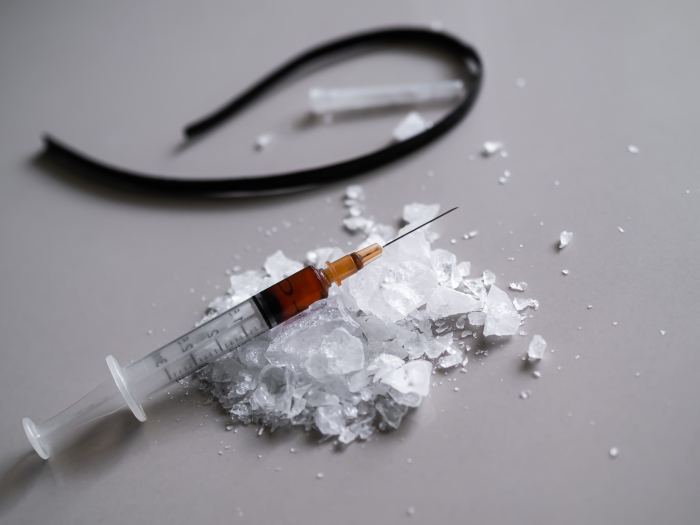
Possession of drug paraphernalia such as syringes, pipes for drug use, aluminum foil, small plastic bags for storing drugs, and small spoons often showing burn marks. These items are often found hidden among personal belongings in suspicious ways.
Financial difficulties, including an unexplained need for money, repeated borrowing from friends and family, theft of money or valuable items, selling personal belongings, unexplained financial losses, and accumulating debt.
Sudden changes in personality and mood, including unexplained anger, anxiety, or panic attacks, as well as paranoia, suspicion, and social withdrawal or isolation. It may also include signs of depression such as loss of interest in activities and feelings of hopelessness, along with apathy and low motivation. Noticeable mood swings can also occur, including periods of euphoria followed by severe depression, as well as impulsive behavior.
Engaging in risky behaviors such as reckless driving and driving under the influence of drugs, sharing needles, and involvement in criminal activities such as theft, trafficking, and drug dealing to support substance use, as well as lying and manipulating others.
Mood Swings: Sudden irritability, outbursts of anger, or unexplained "highs" (euphoria) followed by "lows" (depression).
Lack of motivation: A general feeling of indifference or apathy, reduced ambition, and lack of interest in work, school, or personal relationships, as well as loss of pleasure in activities previously enjoyed (anhedonia), and loss of focus on future goals.
Anxiety & Paranoia: Increased nervousness or suspiciousness of others without a clear reason.
Worsening and escalation of problems: Increased anxiety, severe depression, psychosis (such as hallucinations and delusions), and suicidal thoughts.
Impaired judgment and decision-making: Making poor decisions, showing impulsive and irrational behavior, and engaging in risky or dangerous activities without considering the consequences.
Trying drugs once cannot cause any problems.
Even a single use may involve unexpected health or behavioral risks. The effects of substances differ from person to person, and there is no guaranteed safe outcome.
Addiction only happens to people with weak willpower.
Substance-use disorders are complex and can involve biological, psychological, social, and environmental factors. They cannot be explained by willpower alone.
You can always tell if someone uses drugs just by looking at them.
There is no single appearance that identifies drug use. Some people may show noticeable changes, while signs may be less visible in others.
Talking to children about drugs may encourage them to try them.
Age-appropriate conversations based on clear information can help children and young people understand risks and make safer decisions.
Drug-related problems only affect young people.
Substance-related problems can affect people of different ages and backgrounds, and their impact may extend to families, schools, workplaces, and communities.
If someone can still study or work, they cannot have a drug problem.
Being able to continue studying or working does not rule out a substance-related problem. Effects vary and difficulties may develop gradually over time.
Help should only be sought after the problem becomes severe.
Seeking advice and support early may help prevent difficulties from becoming more serious and connect individuals and families with appropriate services sooner.
Harsh punishment is the best way to deal with someone experiencing a drug-related problem.
Stigma and punishment alone may increase isolation and make help-seeking more difficult. Supportive communication and access to qualified services can be more helpful.
Drugs may offer a moment of escape, but their impact can be devastating & long-lasting. They damage the body, cloud judgment, and break relationships, often leading to addiction before a person even realizes what’s happening.


Your true strength lies in your ability to say "No".