



Guide to Observing Warning Signs
Scientific Framework (Why Do Parents Get Confused?)
Adolescence is naturally a “stormy and stressful stage,” as the brain undergoes a complete restructuring in the area responsible for emotions, which can lead to behaviors that resemble signs of drug use such as isolation, mood swings, and rebellion.
Before we start looking for warning signs, we must understand that adolescence is the age of “fluctuation.” It is normal for your child to seek more privacy or to have rapid mood changes. However, on this platform, we teach you how to distinguish between “age-related changes” and the “risk of addiction” using a simple rule: “watch for sudden and sharp changes.”
Normal adolescence is like a wave with ups and downs, but drug use is like an “earthquake”; it suddenly changes your child’s personality. If your child is usually calm and suddenly becomes very irritable for no reason, or if they were previously high-achieving and suddenly lose interest in everything, this is a warning sign.
The goal of this guide is to move parents from a stage of “emotional doubt” to a stage of “systematic observation,” using tools based on behavioral and physiological analysis grounded in scientific evidence, to ensure timely intervention without destroying the bridges of trust.
Technical Aspect: How to Monitor Like the Professionals
Baseline Deviation Technique “Comparing Nature to Actions”
Every child has a “familiar nature” or baseline that you know well as a parent or caregiver. The key is not the behavior itself, but how far it deviates from their usual nature.
How to apply it: Don’t focus on a single isolated behavior, but observe the “overall shift.” Watch for “deviation” rather than individual actions. For example, if your child is normally calm and suddenly becomes consistently aggressive, or was high-achieving and experiences a sharp and sudden drop in performance.
Simple rule:
Natural change: Your child starts preferring to sit alone more, which can be a normal part of an adolescent seeking greater independence.
Drug-related change: Your child was social and now avoids sitting with the family, was honest and now tells illogical stories, or was high-achieving and suddenly experiences a drop in performance without a clear reason.
Guideline: Natural changes are gradual, while drug-related changes are sudden, sharp, and difficult to explain.
“Three Signs” Technique (Eyes, Sleep, Smell)
Scientifically, there are three vital signs a teenager cannot completely hide, and parents can notice them through normal daily interactions. These are your keys for smart monitoring:
Eyes: The eyes are the “window to the brain.” Learn to observe pupil size. If the pupils are extremely dilated even in bright light, or extremely constricted like a “pinpoint,” with constant redness that sleep or allergy drops do not fix, this can be a significant indicator.
Sleep: Don’t just monitor the number of hours; watch how they sleep. Drug use may cause unusual disturbances. Your child may appear hyperactive, stay awake for extended periods with excessive talking and movement, then suddenly fall into very deep sleep.
Smell: Your sense of smell can be a natural “radar.” Look for unusual odors in the room, such as burnt plastic or smoked herbs. Notice if they suddenly start using heavy perfumes or incense excessively, which may indicate an attempt to cover up another smell.
“Physical Scan” Technique (Money and Tools)
Drugs require “funding” and “tools.”
Environment: Notice the disappearance of small, easily sellable items from the house, such as headphones, original chargers, or small pieces of gold. Also pay attention to the appearance of strange tools in their room or clothes, such as unknown eye drops, small rolling papers, cut plastic tubes, or unusual paper scraps.
Financial monitoring: Don’t just watch for large amounts of money. Observe the pattern of money requests. Urgent, last-minute requests, such as “I need 10 dinars right now for something very important,” at unusual times or accompanied by repeated dramatic excuses may be concerning signs.
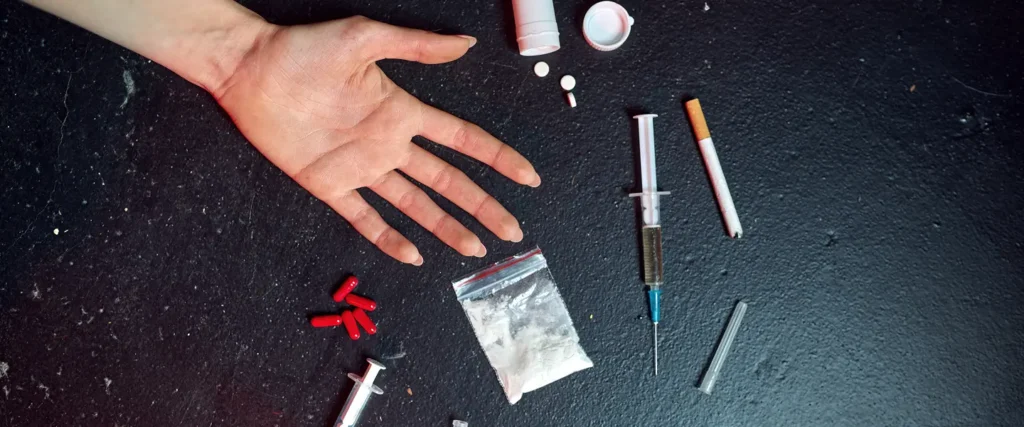
How to Distinguish Between “Normal Adolescence” and the “Risk of Drug Use”
Science tells us that the key is functional decline. A normal adolescent may experience changes in mood or temperament, but they still perform their usual functions, such as studying, playing, and taking care of their appearance. In the case of drug use, the substance may interfere with the person’s ability to carry out these functions.
Here are the main differences you should watch for:
Difference in “Isolation” (Why Do They Close Their Door?)
Normal adolescent (social isolation): They may isolate themselves to develop greater independence or because they are busy talking to friends on the phone. They close their door for privacy but still come out for meals and participate in normal conversations.
Drug-related functional isolation: They may isolate themselves to hide possible substance effects such as lethargy, red eyes, or unusual hyperactivity.
Key sign: They may avoid eye contact and try to leave interactions quickly to avoid questions.
Difference in “Mood” (Why Are They Angry?)
Normal adolescent (reaction to a situation): Their anger usually has a recognizable cause. They may become upset because they were prevented from going out or because their phone stopped working. Their reaction is linked to a real situation.
Drug-related chemical fluctuation: Their anger and reactions may appear to have no clear reason.
Key sign: You may notice unusually intense laughter at something trivial or a sudden state of “apathy” where nothing seems to matter. Their reaction to consequences, rewards, or events that would normally matter to them may become unusually flat or indifferent.
Difference in “Attention to Appearance”
Drug-related change: You may notice neglect of personal hygiene that was not present before. They may stop caring about arranging their clothes, showering, or maintaining their usual appearance.
Normal adolescent: They may wear unusual clothes or follow new trends to attract attention or imitate friends, but they generally continue to care about cleanliness and their appearance in social situations.
Practical Worksheet
“Three-Week Test”: If you notice three or more signs mentioned above, record your observations for 21 days. If the behavior repeatedly follows a pattern and is not linked to a specific school or family event, it may be a risk indicator that requires consultation with a specialist.
If you notice these signs, follow the “Calm Protocol”:
No immediate confrontation while angry: Avoid starting a confrontation during a highly emotional moment.
Calm documentation: Record your observations, including the date, time, and behavior.
Pay attention to suspicious items: Be aware of unusual objects such as rolling papers, unfamiliar eye drops, pill wrappers, or other items that may raise concern.
Your role is not to be a “police officer,” but a “loving observer.” The purpose of monitoring these signs is to identify concerns early and provide support, not to punish or accuse.
References
1. American Psychiatric Association. (2013). Diagnostic and Statistical Manual of Mental Disorders (DSM-5).
2. National Institute on Drug Abuse (NIDA). (2020). Recognizing Drug Use in Adolescents: A Guide for Parents.
3. Sussman, S., & Ames, S. L. (2014). Drug Abuse: Concepts, Prevention, and Cessation. Cambridge University Press.
4. World Health Organization (WHO). (2022). Adolescent Health – Mental Health and Substance Use.
5. Public Security Directorate – Anti-Narcotics Department (Jordan). Family Awareness and Prevention Guide.