


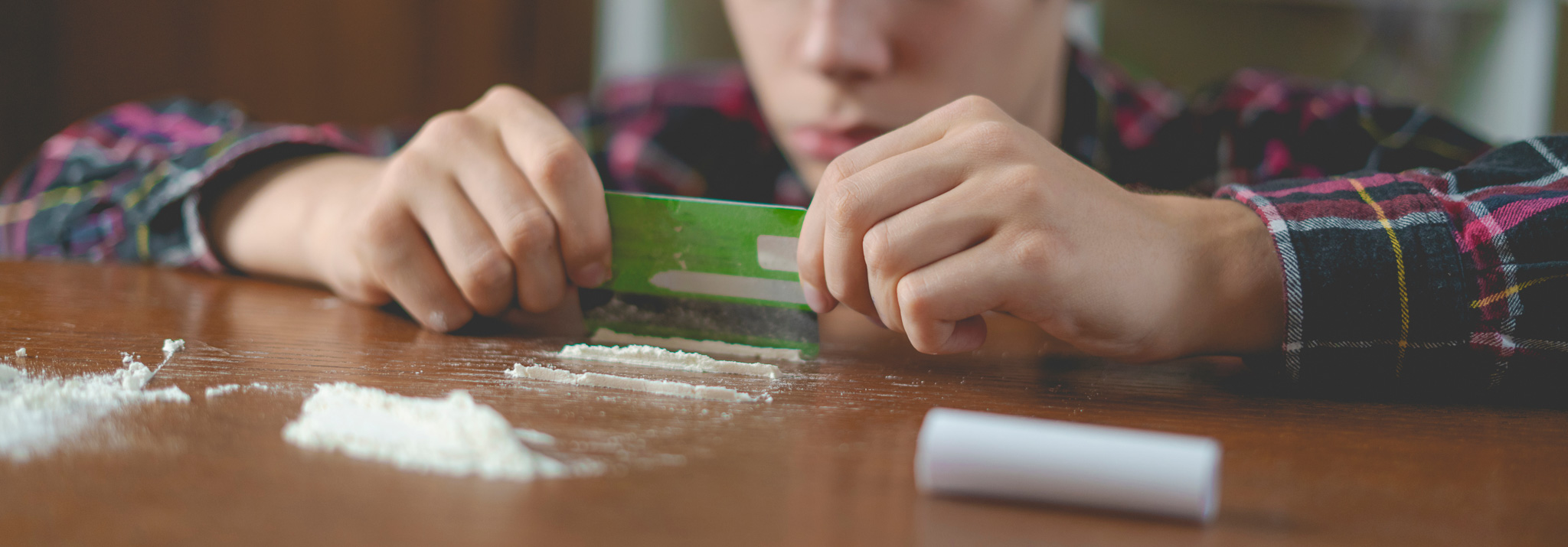
Guide to the Home as a Safe Environment (Psychological Fortress)
The Concept of “Home as a Fortress” (Why Do Children Run Away?)
Many people think that drug prevention starts by talking about toxins and their harms, but scientific evidence tells us something different: prevention begins by creating a warm environment where the young person does not feel the need to “escape.”
The “family systems theory” simply tells us that a child is a reflection of their home. If the home is full of constant tension, silence, or emotional coldness, the adolescent’s brain instinctively starts looking for an “escape outlet.” When they do not find safety at home, they may turn to “false comfort” in chemical substances to compensate for the lack of natural happiness hormones (such as dopamine and oxytocin) that they were supposed to get from their family’s embrace and appreciation.
At this Platform, we believe that a “safe home” is not a perfect home without problems, but a home that has an “emotionally shock-absorbing system.”
What Do We Mean by Psychological Resilience at Home?
1. Resilience is not just a word: It is a “muscle” that strengthens day by day through the quality of your relationship with your child. When a young person feels a “secure attachment” with their parents:
2. They do not need to please strangers: A young person emotionally fulfilled at home does not feel the need to do wrong things just to be accepted by friends.
3. They develop internal “brakes”: They refuse to risk their health, not out of fear of punishment, but because they value themselves and appreciate their parents’ love.
4. They face pain without numbing it: They learn that home is the place to release their worries with words, instead of numbing their pain with toxins.
Scientific Foundations for Building Resilience (How Do We Protect Their Minds?)
Baseline Deviation Technique “Comparing Nature to Actions” (Monitoring Sudden Changes): Every chilBuilding a “Protective Shield” in your child’s personality is not random; it relies on three strategic pillars that global studies (such as NIDA research) have proven to be the strongest weapon to reduce substance use. Here are these pillars and how to build them in daily life:
Application: Do not be authoritarian; be a role model. Commitment to values starts by seeing parents respect these values in their daily behavior.
1. Secure Attachment (Unconditional Love)
When a teenager trusts that their value is not conditional on their achievements, it reduces “performance anxiety” that drives many to use stimulants or sedatives. Many young people turn to drugs because they feel like “failures” in their parents’ eyes if they do not achieve high grades or extraordinary success.
Concept: Your child trusts that your love and appreciation for them are constant, whether they succeed or fail.
How it protects from drugs: This feeling reduces performance anxiety and psychological stress. A teenager who feels accepted at home does not need stimulants to study more, nor sedatives to cope with high expectations.
Application: Always tell your child: “I am proud of you because you are my child, and because of your effort, not just your grades.”
2. Self-Efficacy (Instilling Strength in Personality)
Encouraging your child to solve small problems develops a sense of capability, so they do not see themselves as a “victim” who needs a chemical substance to face reality. Addiction often affects those who feel powerless or unable to confront life.
Concept: Encourage your child to solve small problems independently and make their own decisions.
How it protects from drugs: When a child grows a sense of “I can,” they do not see themselves as a victim of circumstances and will not need substances to face or escape reality. They know they have the tools to solve their problems.
Application: When your child faces a problem with a friend or at school, don’t solve it for them immediately. Ask: “What do you think is the best way to handle this situation?”
3. Moral Compass (Clarity of Values)
A home with a clear value system (not authoritarian but consistent) provides a “moral compass” for the teenager when facing peer pressure outside. A young person living in a home without clear values is easily influenced by bad peers’ values.
Concept: Having a clear value system at home (honesty, respect for the body, responsibility) that is consistent and respected by everyone, including parents.
How it protects from drugs: These values act as an “internal compass” that alerts the teenager when facing external pressures. When offered something wrong, they think: “This does not reflect me, nor my home.”
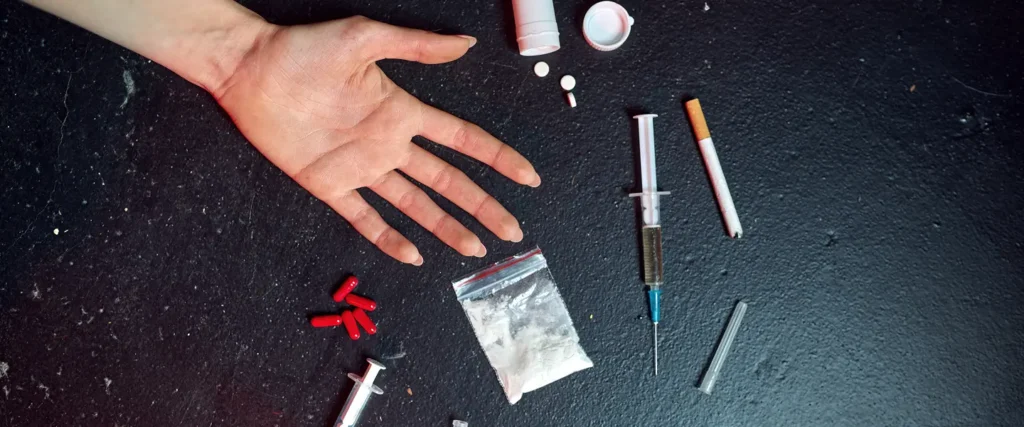
How to Distinguish Between “Normal Adolescence” and the “Risk of Drug Use”
Daily Skills (How to Make Your Home a Practical Fortress)
To turn your home into a “safe environment” that protects your children from drugs, you need to practice social engineering within the family (some simple skills with powerful effects). These skills are not just “parenting,” but a reprogramming of your child’s brain to be strong and independent:
The 15-Minute Golden Technique (Unconditional Quality Time)
How to apply it: Dedicate 15 minutes daily to sit with your child, ensuring the conversation is completely free from: (studying, prayer, tidying the room, or any criticism). Talk about their interests, football, video games, or even a passing joke.
Why it protects them: These minutes reset the “happiness center” in your child’s brain; they learn that comfort and acceptance come from their family, so they won’t seek it in a “bad crowd” or through risky substance use.
Anger Absorption Skill (Emotional Regulation)
How to apply it: When your child explodes in anger or speaks harshly, do not respond with matching anger. Be the “coolant” for this anger.
What to say: “I see that you are very angry and frustrated right now. I’ll wait until you calm down so we can talk clearly.”
Why it protects them: You are training their “nervous system” for self-calm. A child who learns calmness from their parents will not need chemical substances (sedatives) to ease future pain or stress, because they have the ability to control themselves.
Building Family Rituals (Rules for Family Harmony)
How to apply it: Establish “sacred family times” that do not change, such as: (group lunch, Friday walks together, or Thursday night fun and play).
Why it protects them: These rituals create a deep sense of “belonging.” Global studies show that adolescents who feel connected to family rituals are 40% less likely to use drugs because they feel part of a strong, loving unit that is harder to pull them away from.
Enhancing Proactive Protection (Training on Saying No)
How to apply it: Do not wait for a problem to occur; practice it with your child as if it were a “game.” Present hypothetical situations: “If you were at a party and someone offered you a substance saying it would make you feel great, what would you do? How would you respond?”
Why it protects them: This is called “mental training.” You activate the “decision center” in your child’s brain (the prefrontal cortex) and train them to make the right choice in advance, so if faced with the situation in real life, the response is ready on their lips without hesitation.
The Role of the Father as a Role Model and the Mother as a Nurturer (Balanced Parenting)
Building a safe environment requires us as parents to move beyond two common mistakes in parenting: “excessive authoritarianism,” which provokes rebellion, and “excessive neglect,” which leads to drift. The scientifically proven alternative is “firm yet loving parenting”; it is the ideal balance that protects children, with clear rules (no drugs, no staying out late) wrapped in unconditional love.
When adolescents see their parents handle life pressures through (exercise, conversation, or hobbies) instead of (excessive smoking or sedatives), they adopt this “behavioral modeling” as a natural defense mechanism. A safe home is a place where the child is not afraid to admit mistakes, because the “cost of honesty” is lower than the “cost of escaping to drugs.”
The Firmness-and-Love Equation
A safe home is not a home without rules; it is a home with “clear boundaries” wrapped in “unconditional love.”
Rules: (No drugs, no smoking, following household schedules) are red lines that cannot be crossed to protect the family.
Love: The child feels that while we reject the behavior, we love them as a person, and that rules are set out of concern, not control.
You Are the Role Model Your Child Imitates
Adolescents observe how their parents handle life pressures (financial problems, work stress, fatigue).
Silent message: When your child sees you exercising, talking calmly about problems, or engaging in hobbies to relieve stress, they learn from you a “natural coping mechanism.”
The risk: If parents resort to excessive smoking or sedatives for every problem, they send an indirect message that “the solution always comes from an external substance,” which the child may later imitate with drugs.
Make the “Cost of Honesty” Lower than the “Cost of Escape”
This is the golden rule at the Mitigate the Prevalence of Drug Use among Youth and Children Platform . The child must understand that admitting a mistake (no matter how big) at home will lead to dialogue and solutions, not destruction or sadistic punishment.
Philosophy: When the child knows that honesty with you will protect and help them, they will choose honesty. If they fear your harsh reaction, they will hide their mistakes, often turning to “bad friends” or “drugs” to numb feelings of guilt and fear.
References
1. Bowlby, J. (1988). A Secure Base: Parent-Child Attachment and Healthy Human Development. (المرجع الأساسي لنظرية الترابط).
2. National Institute on Drug Abuse (NIDA). (2020). Principles of Substance Abuse Prevention for Early Childhood. (حول بناء الحصانة في سن مبكرة).
3. UNODC. (2020). Family Skills Training Programmes for Drug Abuse Prevention. (المعايير الدولية لتمكين الأسر).
4. Kumpfer, K. L., & Alvarado, R. (2003). Family-strengthening approaches for the prevention of youth problem behaviors. (دراسة حول أثر الروابط الأسرية في منع الانحراف).
5. المجلس الوطني لشؤون الأسرة (الأردن). (2021). الإطار الوطني لحماية الأسرة من العنف والسلوكيات الخطرة.