
“Al Barakeh Wheat” Initiative Visits Amman Children’s Village for the Fourth Dialogue Session in the Children’s Villages Dialogue Series
“Al Barakeh Wheat” Initiative Visits Amman Children’s Village for the Fourth Dialogue Session in the Children’s Villages Dialogue Series
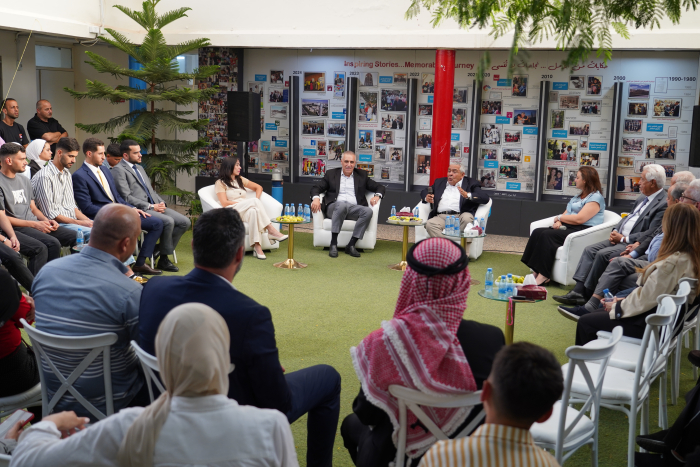
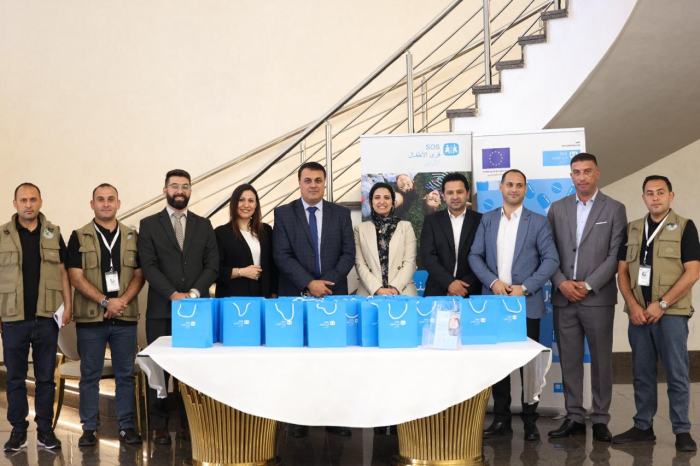
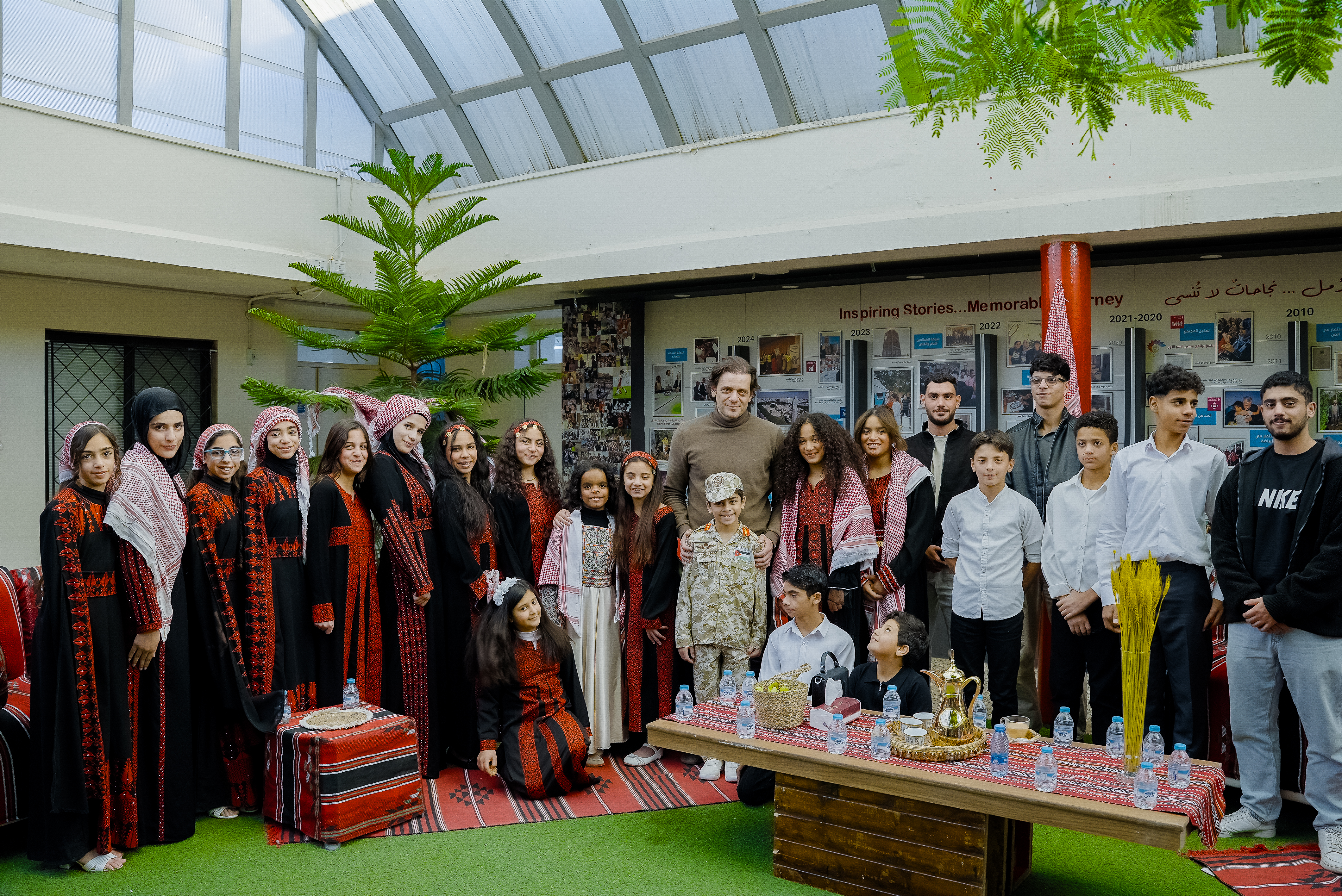
Amman, Jordan – 11th November 2026: SOS Children’s Villages Jordan welcomed Mr. Rabeeea Zureikat and Ms. Lama Al-Khatib, founders of the AL Barakeh Wheat initiative, to a dialogue session with children and young people at the Amman Children's Village. The session was hosted by Ms. Rana Al-Zoubi (National Director), Dr. Zeina Al-Kurdi, Director of Programs at SOS Children's Village Amman, Mr. Huthaifa Al-Tamimi, Director of Institutional Partnership Development and Deputy National Director of Programs and Projects, and Ms. Areej Al Khateeb, Fund Development and Communications Director, with a number of village staff, children and young people in attendance.
The session was the fourth in the SOS Children's Villages Dialogue Series. The series is designed to give children and young people the opportunity to learn about community initiatives and experiences that are truly inspiring, to benefit from the knowledge and experience of the people who have founded those initiatives, and to have the opportunity to talk about a range of issues which will broaden their understanding of the world and the issues that impact their own lives and their own communities.
From a Grain of Wheat to the Concept of Food Sovereignty
During the session, Mr Rabeeea Zureikat introduced the “Al Barakeh Wheat” initiative, explaining how it was established and why it was launched amid challenges related to food security and grain imports. He also discussed the economic, social, and political significance of wheat as a staple food and strategic crop that contributes to strengthening the local economy and national production, while supporting farmers.
Zureikat also explored the concept of food autonomy and the importance of enabling countries and communities to secure their essential food needs and strengthen their independence in food production.
The discussion then moved to the practical aspects of the initiative, as he explained the different stages of wheat cultivation to the children and young people, from preparing the land and selecting suitable seeds for planting, crop growth, and harvesting. He also outlined the appropriate planting seasons, the time required for the crop to mature, and the care needed throughout its growing stages.
The discussion also explored the possibility of a joint initiative between SOS Children’s Villages Jordan and “Al Barakeh Wheat” to grow wheat at Amman Children’s Village. This would give children and young people the opportunity to learn first hand about the different stages of wheat cultivation and take part in the process, from preparing the soil and planting the seeds to monitoring the crop’s growth and participating in the harvest.